Fruity Gourmand
Collection of Fruity Gourmand fragrances: complete profiles with pyramid, longevity, dupes and where to buy.
4 fragrances in this category
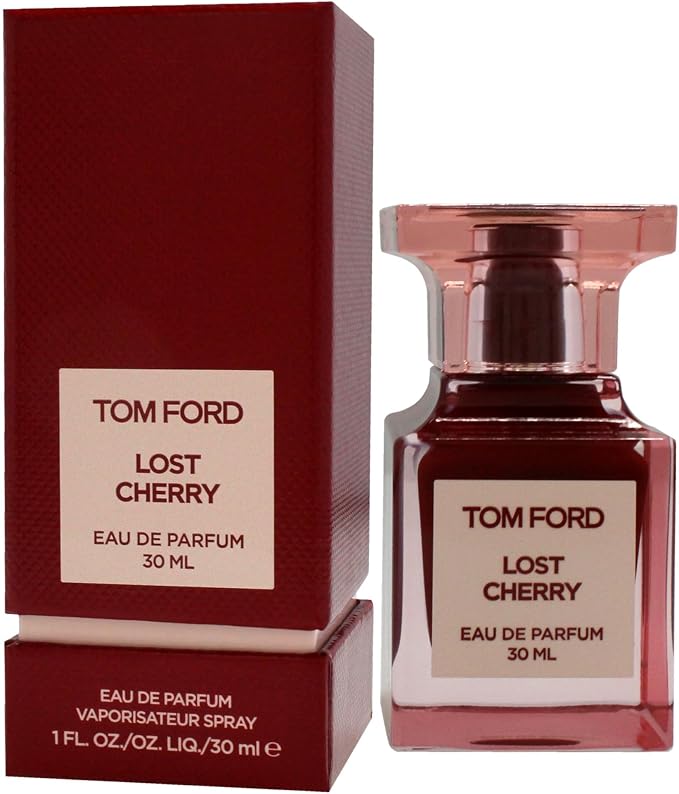
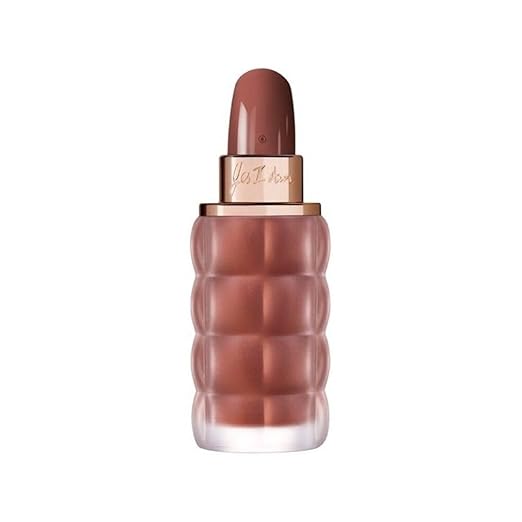
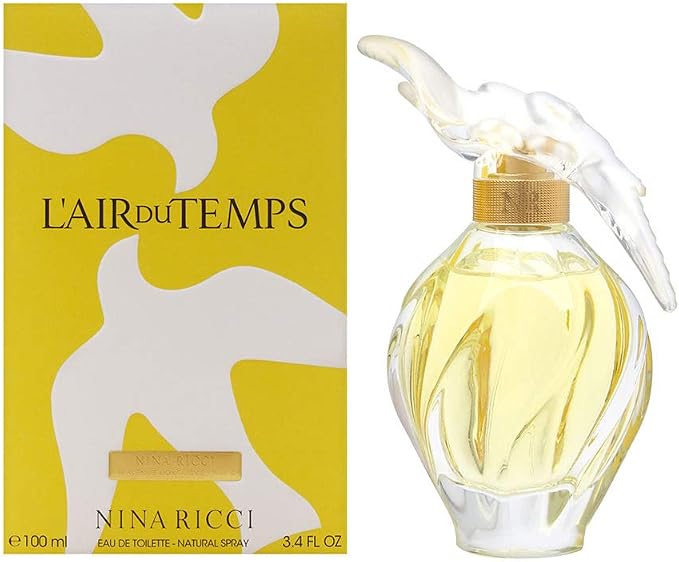
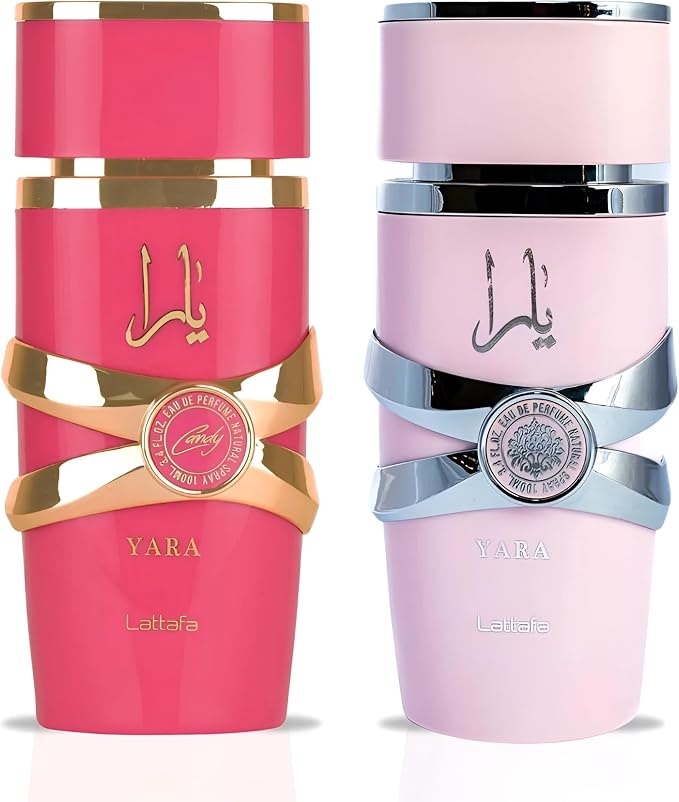
About Fruity Gourmand
The Fruity Gourmand family combines fruit — strawberry, cherry, blackberry, pear, blackcurrant — with edible notes of vanilla, caramel or sugar. It is one of the fastest-growing categories of the past decade, driven by accessible Arabic perfumery and by a contemporary taste for sweetness.
Its logic is simple and effective: the fruit delivers a bright opening, the gourmand sustains and extends the sweetness. The result projects close to the skin and tends to draw compliments, though it rarely reaches the complexity of an oriental or a chypre.
Notes that define it
Fruit — strawberry, cherry, blackberry, pear, blackcurrant — is paired with edible materials such as vanilla, caramel, almond or tonka. In many compositions the fruit arrives candied or liqueur-soaked, which changes the result considerably compared with fresh fruit. The heart may include a soft floral bouquet, and bases tend to close with sweet musks and creamy woods.
How to tell it apart
Against a fruity floral, the sweetness here holds to the end instead of dissipating. Against a pure gourmand, the fruit lends acidity and relief in the first minutes. When the fruit is dark and comes with almond or tonka, the family edges towards the more indulgent orientals.
How to wear it
These usually perform better in autumn, winter and spring, and suit casual plans, nights out and dates above all. They tend to project close to the skin and draw comments. In hot weather the sweetness can turn heavy, so many cut the amount.
What to consider before choosing one
This is one of the fastest-growing families, which means plenty of similar choice: it helps to look at the type of fruit and at how much sweetness the base holds up. Fresh fruit gives a lighter result, while candied or liqueur-soaked fruit pushes towards something considerably denser. It is also worth testing in the real climate of use, because heat can make the sugar feel heavy and many reduce the amount. It tends to project close to the skin and draw comments, which suits casual social plans more than formal settings.